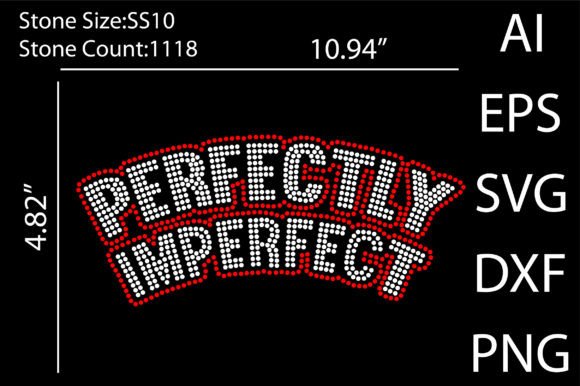
The Allure of the Perfectly Imperfect Rhinestone Design
In a world saturated with sterile digital perfection, the Perfectly Imperfect Rhinestone Design offers a refreshing, tactile authenticity that commands attention. This aesthetic, characterized by hand-placed, organic-looking sparkle, bridges the gap between digital precision and artisanal craft, making it a powerful tool for designers seeking to inject warmth and personality into their projects. Understanding how to leverage this style can significantly elevate your creative assets and visual communication.
Understanding the Aesthetic in Modern Design
The "Perfectly Imperfect" philosophy rejects rigid, symmetrical grids in favor of organic flow. In graphic design, this translates to layouts and textures that feel human-made. When applied to rhinestone templates, it mimics the look of actual hand-crafted bedazzling, where slight variations in spacing and angle create a dynamic, light-catching effect. This approach is vital for branding and visual design because it evokes emotion and nostalgia, helping a brand feel more relatable and less corporate.
Practical Applications for Creative Assets
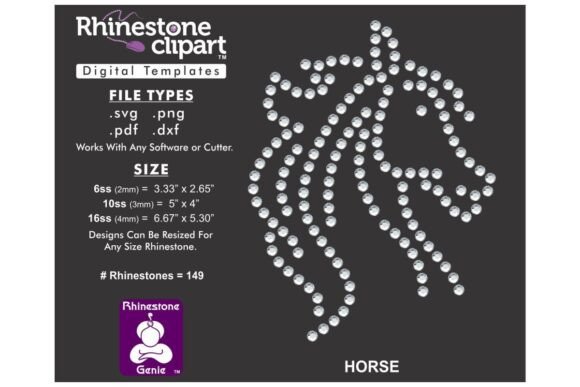
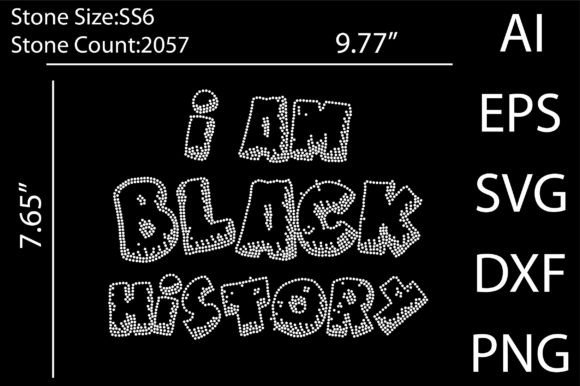
The versatility of this design style allows it to shine across various mediums. Because the files are provided in scalable vector formats (Ai, EPS, SVG) and high-resolution rasters (PNG, JPEG), they integrate seamlessly into professional workflows. Here is how you can apply these assets effectively:
- Merchandise and Print Design: The primary use is for physical products. The high-contrast vectors ensure clean cuts for vinyl and rhinestone heat transfers on t-shirts, tote bags, and cushions.
- Digital Marketing and Social Media: Use the transparent PNGs as overlays in video content or static posts to grab attention. The sparkle effect naturally draws the eye, improving engagement rates on platforms like Instagram and TikTok.
- Logo Design and Brand Identity: For boutique brands, fashion labels, or beauty salons, incorporating a subtle rhinestone texture into a logo or monogram can communicate luxury and exclusivity.
- Packaging Design: A touch of "bling" on packaging mockups can help visualize premium product lines, making the unboxing experience feel more special.
Integrating Texture into Your Design Workflow
To maintain professional presentation and visual hierarchy, it is crucial to use these elements judiciously. Overusing sparkle can clutter a design and dilute the message. Instead, treat the rhinestone design as a focal point or an accent. Consider the following when integrating these assets:
- Contrast and Readability: Ensure that text remains legible when placed over the design. Use solid color blocks or drop shadows to separate typography from the textured background.
- Color Palette Integration: While rhinestones are often clear or silver, the editable nature of the files allows you to recolor the template to match specific brand guidelines, ensuring cohesion with your broader visual identity.
- Scalability: Utilize the SVG and EPS files for large-format printing (banners, posters) to prevent pixelation. For web use, the optimized PNGs ensure fast loading times without sacrificing quality.
Elevating Communication Through Texture
Ultimately, the goal of any visual communication strategy is to connect with the audience. The Perfectly Imperfect Rhinestone Design serves as a reminder that design does not have to be rigid to be professional. By embracing organic textures and hand-crafted aesthetics, designers can create work that feels more personal and engaging. Whether you are designing for a client’s social media graphics, developing a new logo, or crafting a unique gift, these templates provide the flexibility and quality needed to turn a standard project into a memorable visual statement.